Ceylon Guide
Ceylon Guide
Ceylon Guide
Ceylon Guide
Mar 16, 2026 · 5 min read
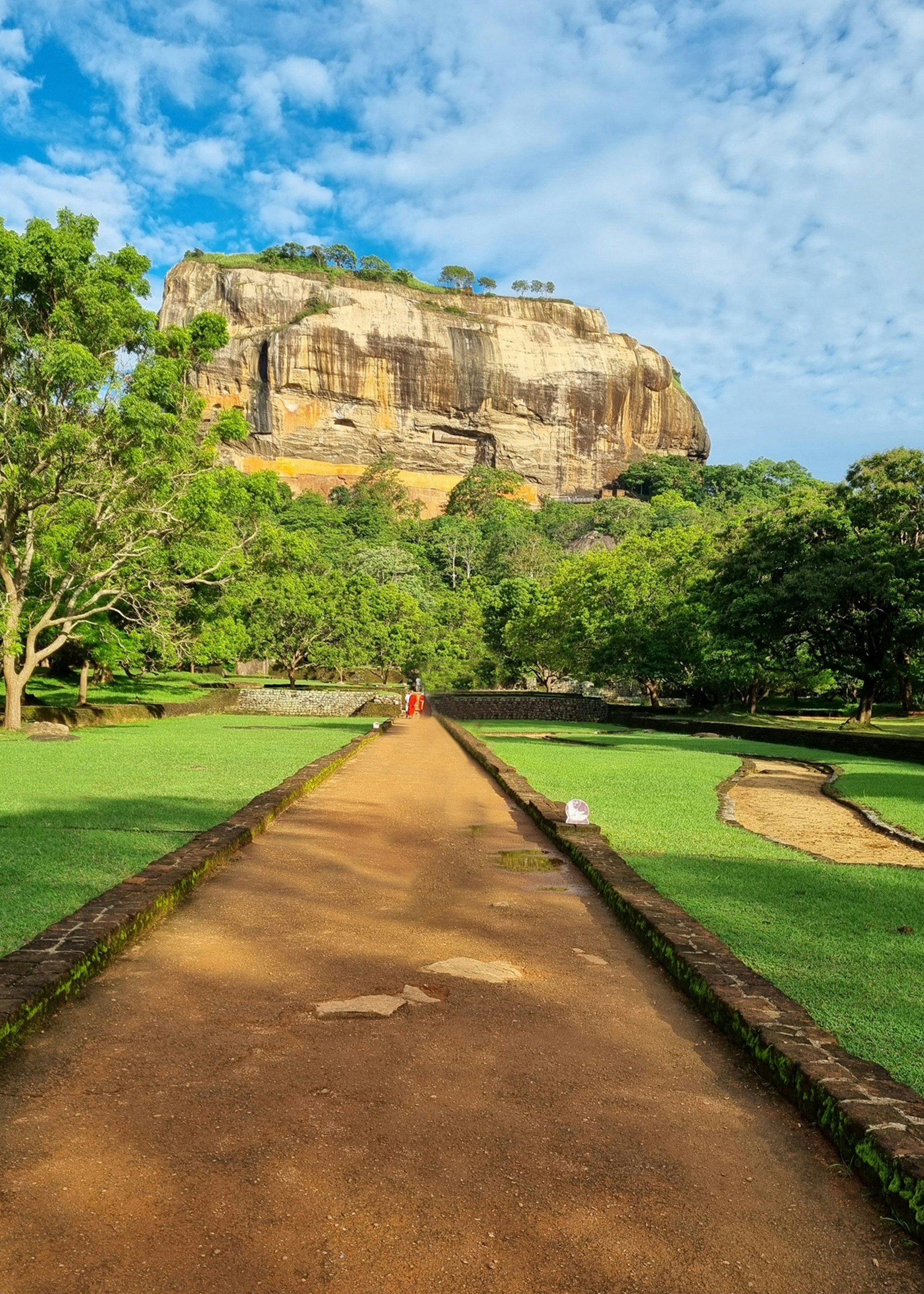
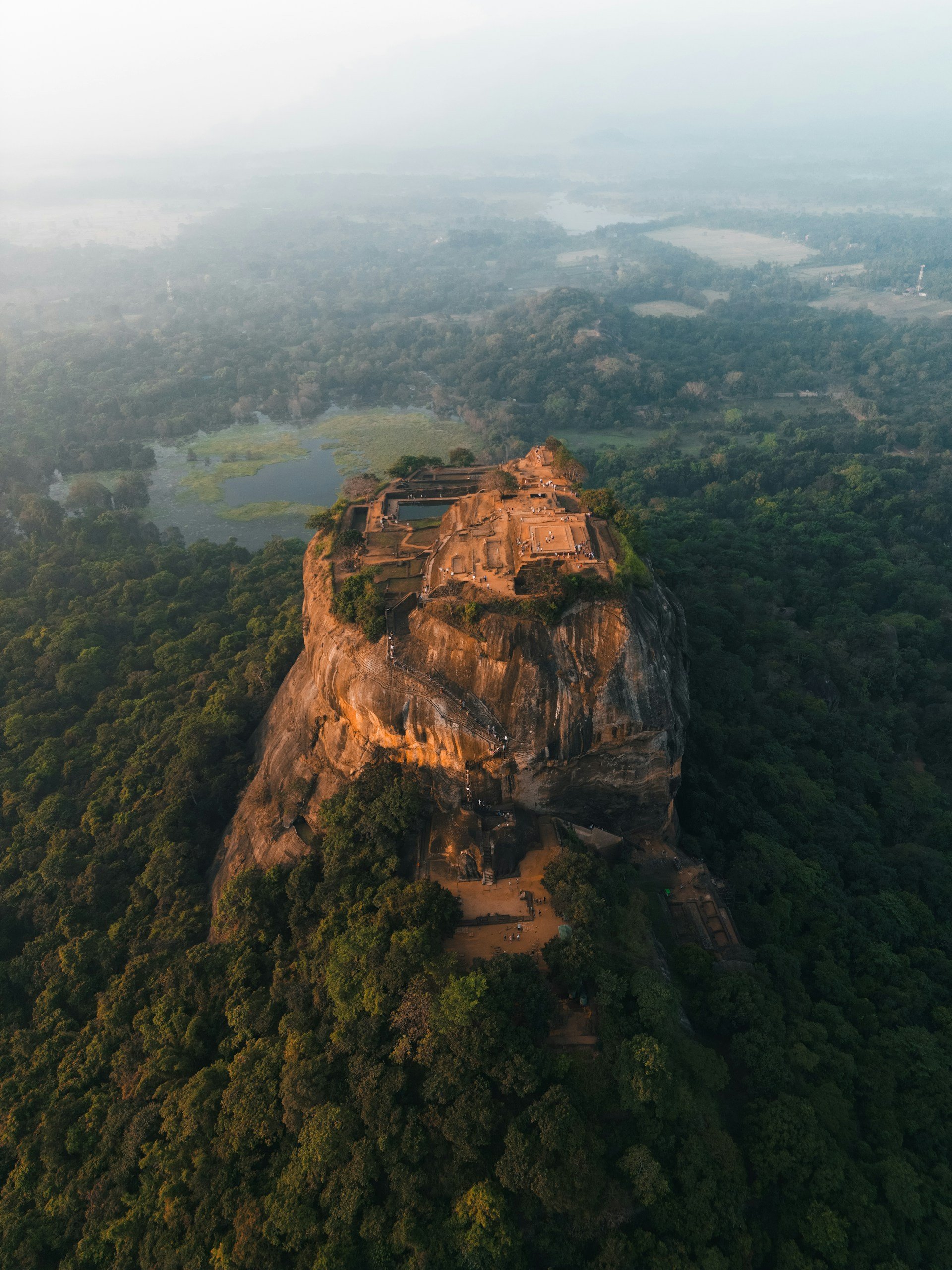
Rising out of the lush emerald jungle of Sri Lanka’s central plains is a sight that makes even the most seasoned travelers stop and stare. Sigiriya, often referred to as the "Lion Rock," is an ancient fortress, a ruined palace, and an architectural marvel all rolled into one. It is undeniably one of the most spectacular UNESCO World Heritage sites in the world.
If you are mapping out your Sri Lankan adventure, this massive column of granite needs to be on your itinerary. Climbing it is a rite of passage, but doing it right takes a little planning. To help you conquer Sigiriya with confidence, here is a complete, reader-friendly guide to everything you need to know before you lace up your walking shoes.
Before you take your first step, you need to understand the gripping story behind the stone. Sigiriya wasn’t just built for its stunning views; it was born out of betrayal, murder, and fear.
In the 5th century, King Kashyapa seized the throne by orchestrating the assassination of his own father and exiling his half-brother, the rightful heir. Terrified that his brother would return with an army to seek revenge, Kashyapa fled the traditional capital of Anuradhapura. He chose this towering, impenetrable 200-meter-high rock as his new stronghold.
For nearly two decades, he lived in the sky. He built a lavish palace on the summit, surrounded by complex water gardens and defensive moats at the base. But the story doesn't end well for Kashyapa. His brother eventually did return. Abandoned by his army during the final battle on the plains below, Kashyapa took his own life. The magnificent palace was later given to Buddhist monks before slowly being reclaimed by the jungle.
Climbing Sigiriya involves conquering roughly 1,200 steps. While that number might sound intimidating, the ascent is broken up into fascinating sections that give you plenty of chances to catch your breath.
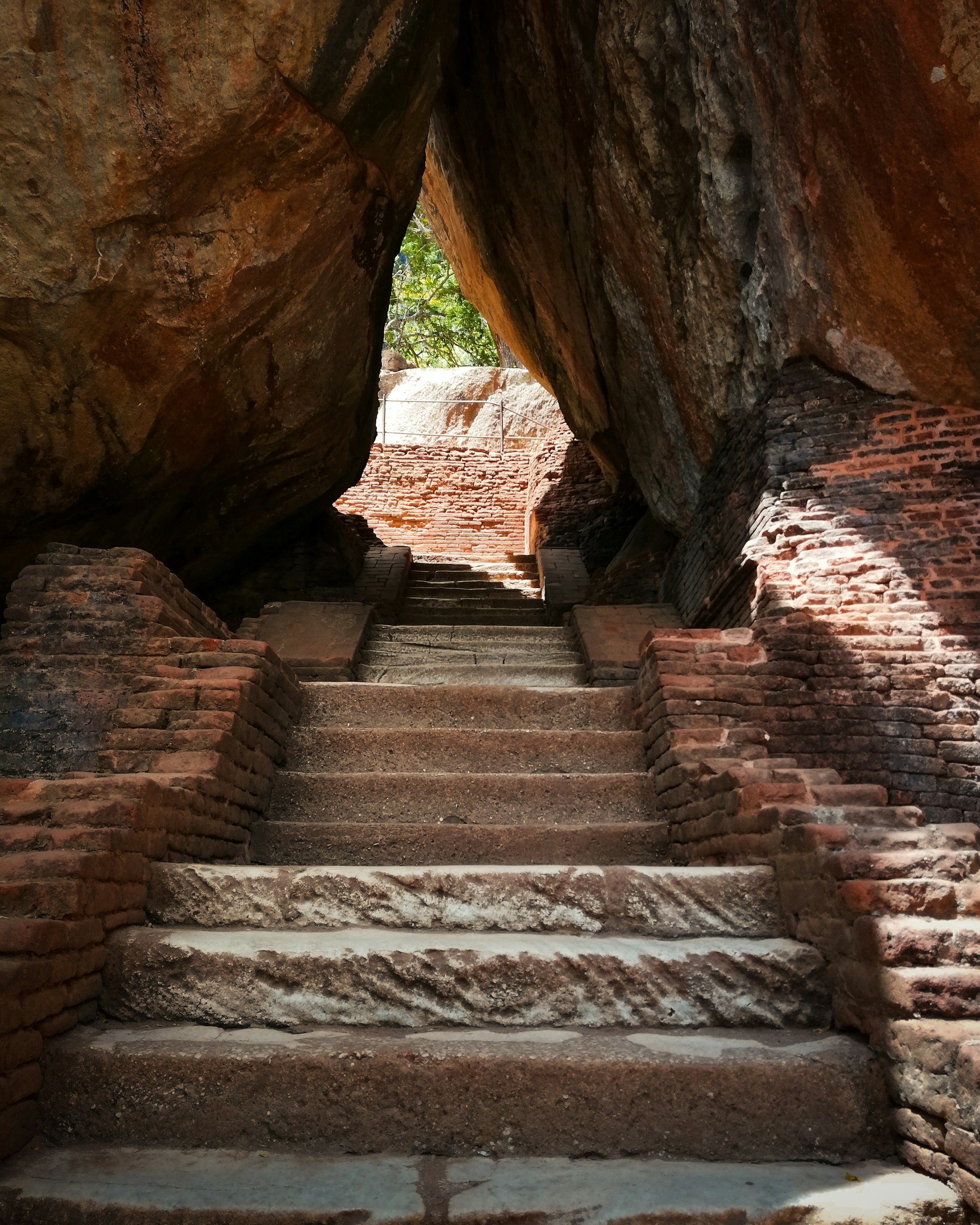
The Water Gardens and Boulder Gardens Your journey begins at ground level, walking through beautifully symmetrical ancient water gardens. It is incredible to think that the fountains here, engineered over 1,500 years ago, still work during the heavy rains. As you move closer to the rock, the landscape shifts into the rugged Boulder Gardens, where natural caves were once used by meditating monks.
The Frescoes and the Mirror Wall About halfway up, a spiral metal staircase takes you to a sheltered alcove in the rock face. Here, you will find the world-famous Sigiriya Frescoes vibrant, beautifully preserved paintings of celestial nymphs. Just past the frescoes is the Mirror Wall. Centuries ago, this brick wall was polished so thoroughly with beeswax and mineral paste that the king could see his reflection as he walked by. Today, it is covered in ancient graffiti left by visitors from over a thousand years ago, detailing their awe of the fortress.
The Lion Gate and the Summit Before the final, steepest ascent, you reach a wide terrace known as the Lion Gate. Two colossal stone lion paws guard the staircase. In Kashyapa’s time, climbers had to walk through the open mouth of a massive brick lion head, which has since crumbled away.
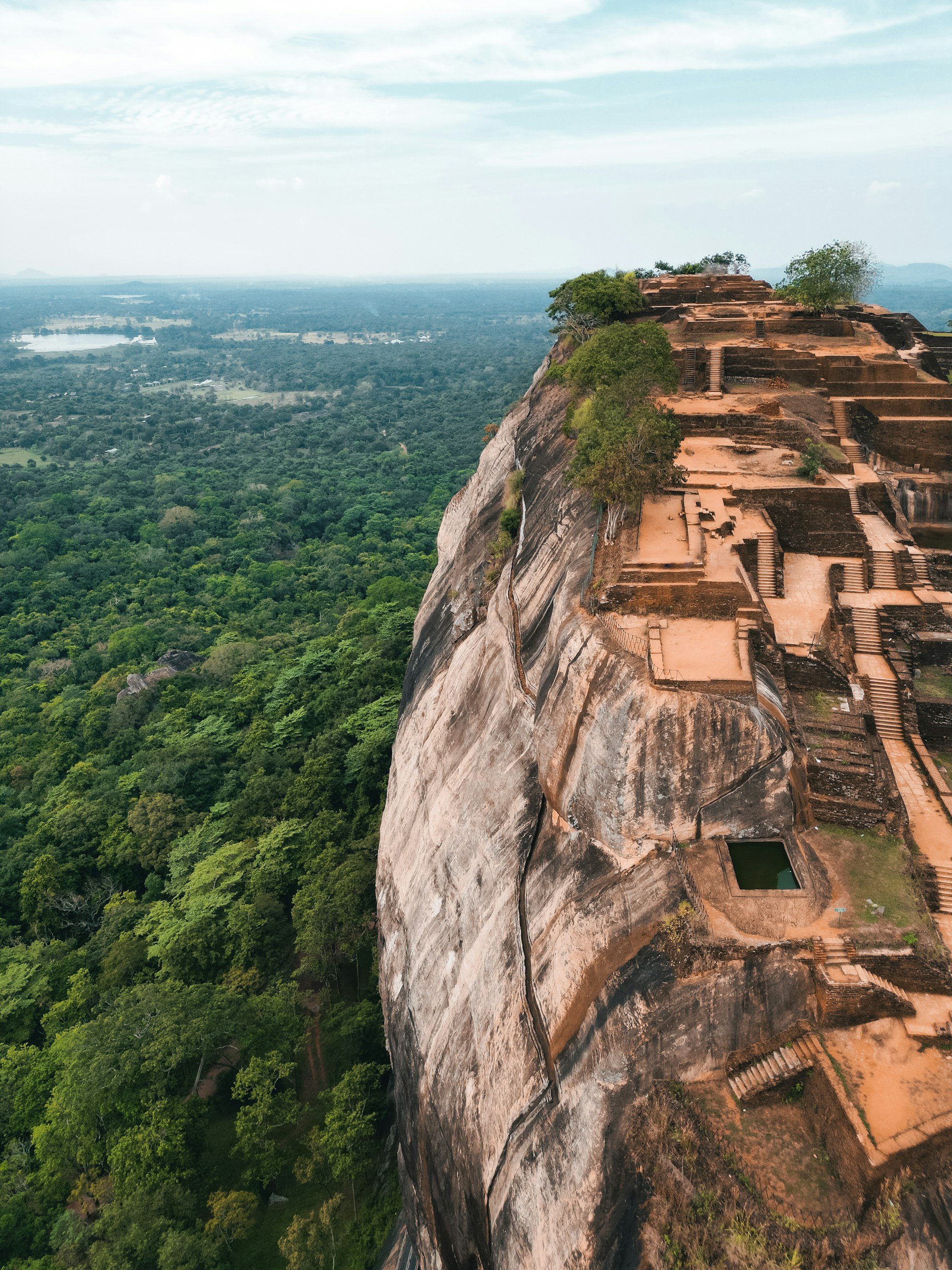
The final push to the summit is on exposed metal stairs bolted directly to the rock face. Once you reach the top, the 1.6-hectare plateau opens up. You can walk through the ruined foundations of the royal palace, marvel at the king's swimming pool carved into the rock, and take in the dizzying, unbroken 360-degree views of the sprawling jungle below.
To ensure your experience is as smooth as possible, keep these essential details in mind:
Ticket Prices: As of the latest 2025/2026 updates, the entrance fee for international visitors is $35 USD. While it is one of the more expensive attractions in Sri Lanka, the fee goes toward preserving this incredible archaeological site (and includes access to the excellent on-site museum). SAARC nationals receive a discounted rate of $20 USD.
Timing Your Climb: The ticket office opens early, usually around 5:30 AM to 6:00 AM. The absolute best time to climb is right when the gates open. You will beat the intense midday heat and avoid the massive crowds of tour buses that arrive later in the morning. Alternatively, a late afternoon climb around 3:30 PM offers beautiful "golden hour" lighting for photography.
What to Wear and Bring: There is virtually no shade on the rock itself. Wear lightweight, breathable clothing, comfortable walking shoes (leave the flip-flops at your hotel), and a hat. Most importantly, carry a large bottle of water there are no shops once you start the climb.
The Wasp Warning: You will likely notice signs warning about wasps, and even large wire cages near the Lion Paws. Local hornet colonies occasionally nest on the rock. They are usually peaceful, but to be safe, avoid making loud noises, sudden movements, or using flash photography in this area.
If you have extra time or if you are a budget traveler looking for an alternative to the $35 ticket consider climbing Pidurangala Rock. Located just a few minutes down the road, this neighboring rock offers an adventurous, slightly rougher hike. The best part? When you reach the top of Pidurangala, you get an absolutely breathtaking, eye-level view of Sigiriya Rock Fortress itself. It is a favorite spot for sunrise, and the entrance fee is only about $3 to $4 USD.
Turn your travel dreams into reality. Let our local specialists craft an exclusive itinerary tailored to your rhythm, from mist-shrouded peaks to sun-kissed shores.
Build Your Itinerary