Ceylon Guide
Ceylon Guide
Ceylon Guide
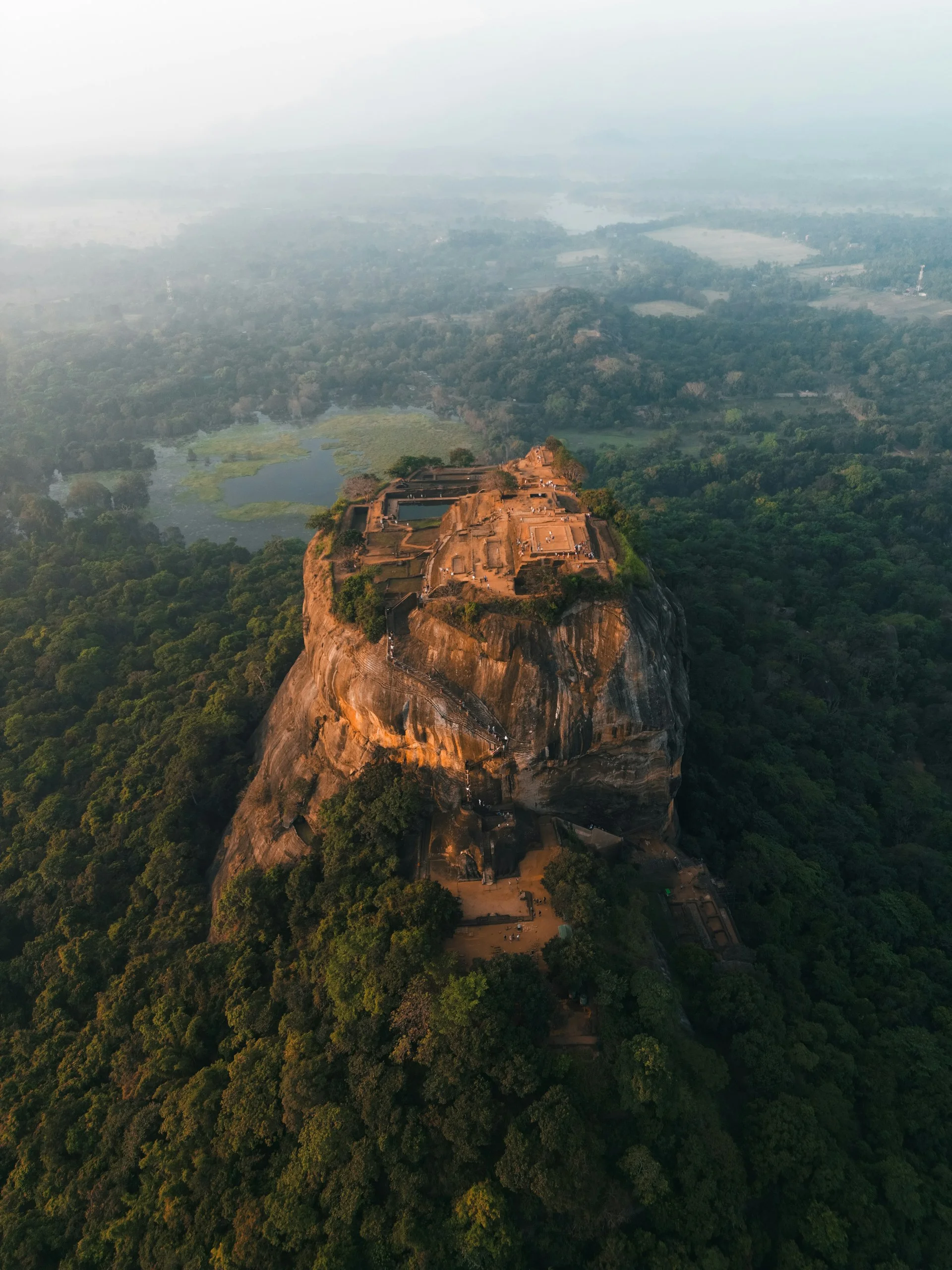
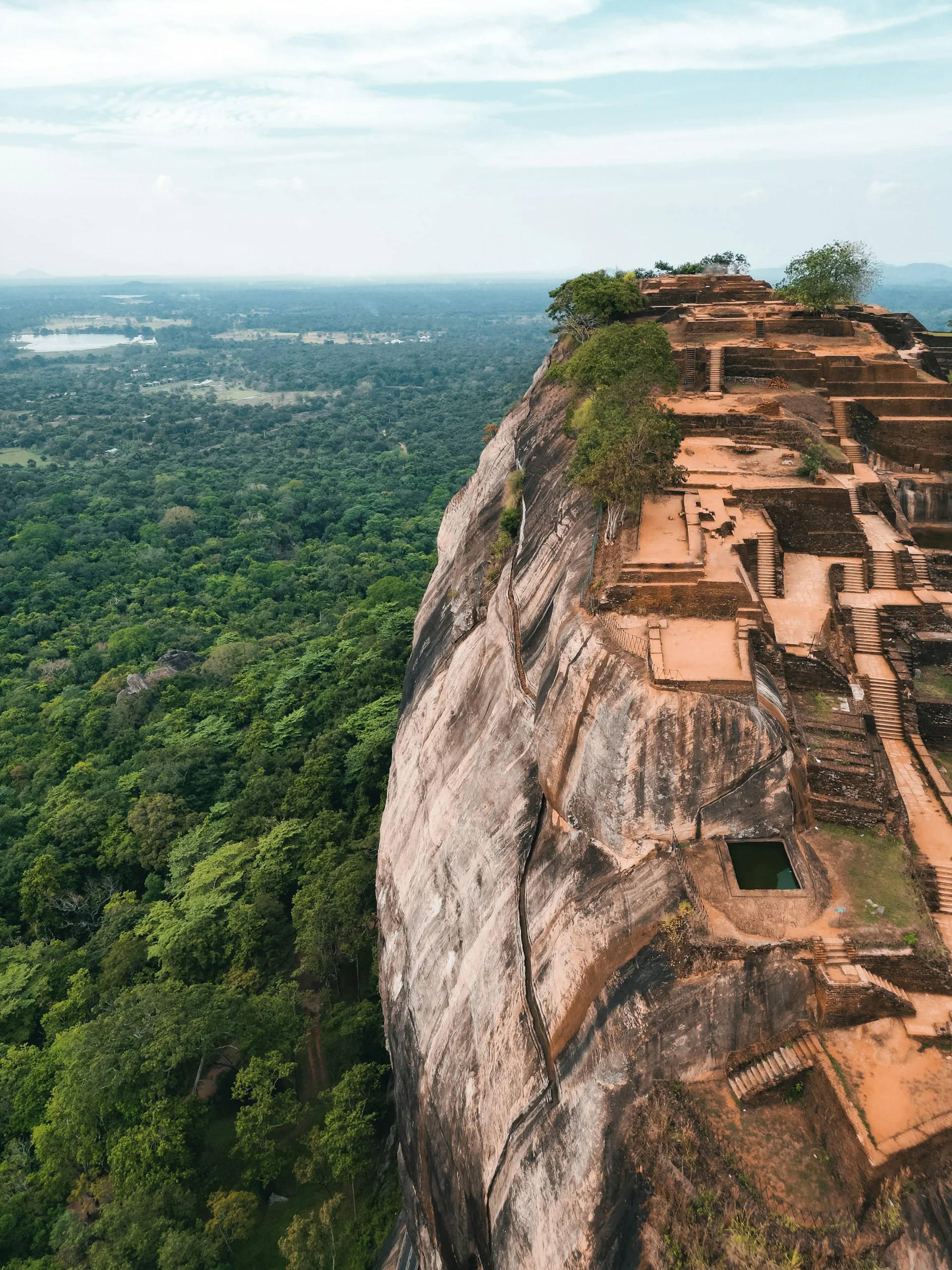
Sigiriya, meaning "Lion Rock," is an ancient rock fortress and palace ruin situated in the central Matale District of Sri Lanka. Towering nearly 200 meters (660 feet) over the surrounding plains, this massive granite monolith is one of the island's most dramatic geological and historical landmarks. Recognized as a UNESCO World Heritage Site and often referred to as the "Eighth Wonder of the World," Sigiriya is celebrated globally for its astonishing blend of natural topography, advanced urban planning, and exquisite ancient art.
A History of Royal Drama: The fortress was built in the late 5th century CE (477–495 CE) by King Kashyapa. According to the ancient chronicle Mahavamsa, Kashyapa violently seized the throne by having his father, King Dhatusena, entombed alive. Fearing retaliation from his half-brother Moggallana (the rightful heir), Kashyapa moved the capital from Anuradhapura to the secure, isolated summit of Sigiriya. Following Kashyapa's eventual defeat, the site was handed over to Buddhist monks and functioned as a monastery until it was abandoned in the 14th century, eventually being swallowed by the jungle before its rediscovery by the British in the 19th century.
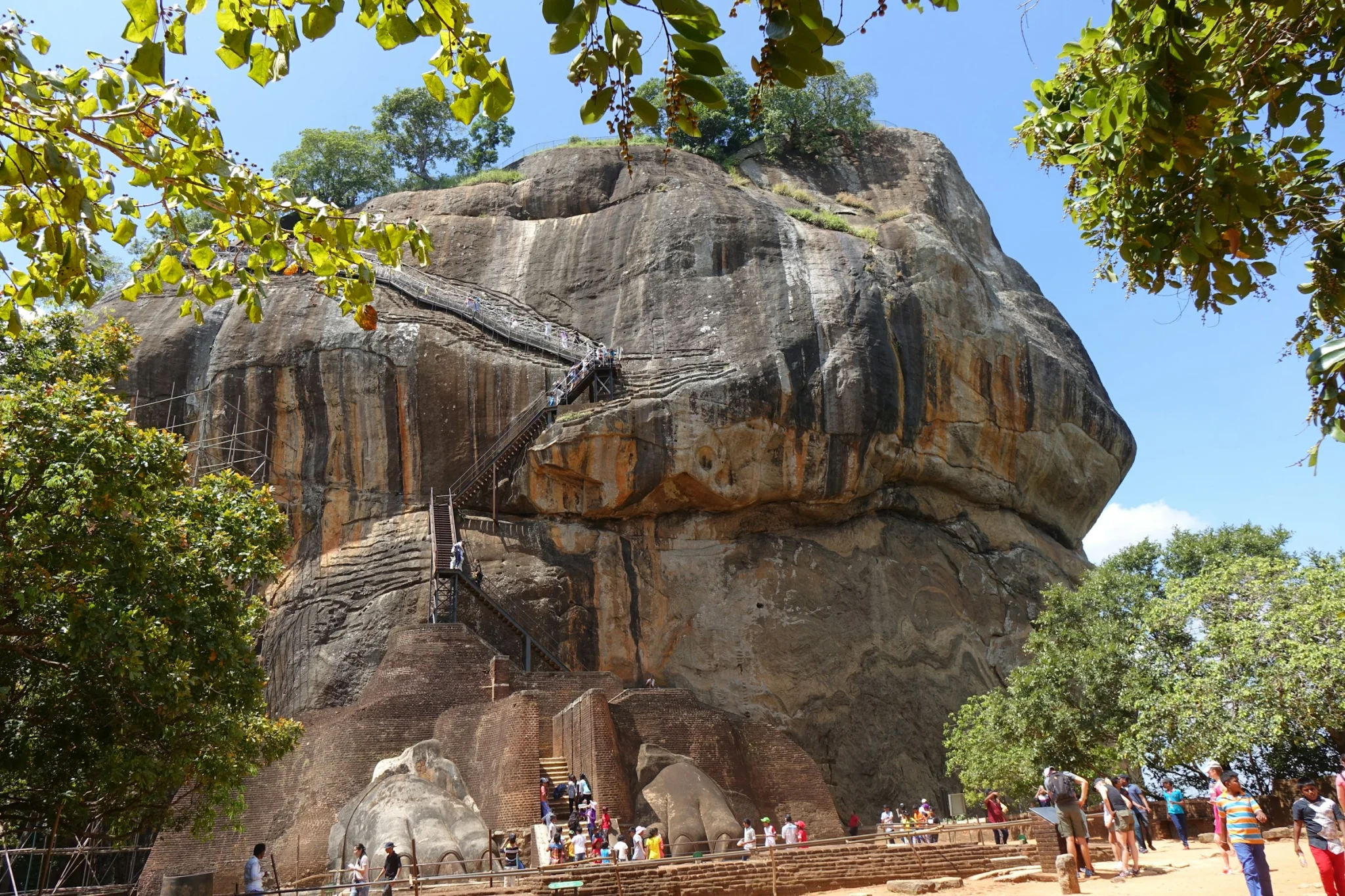
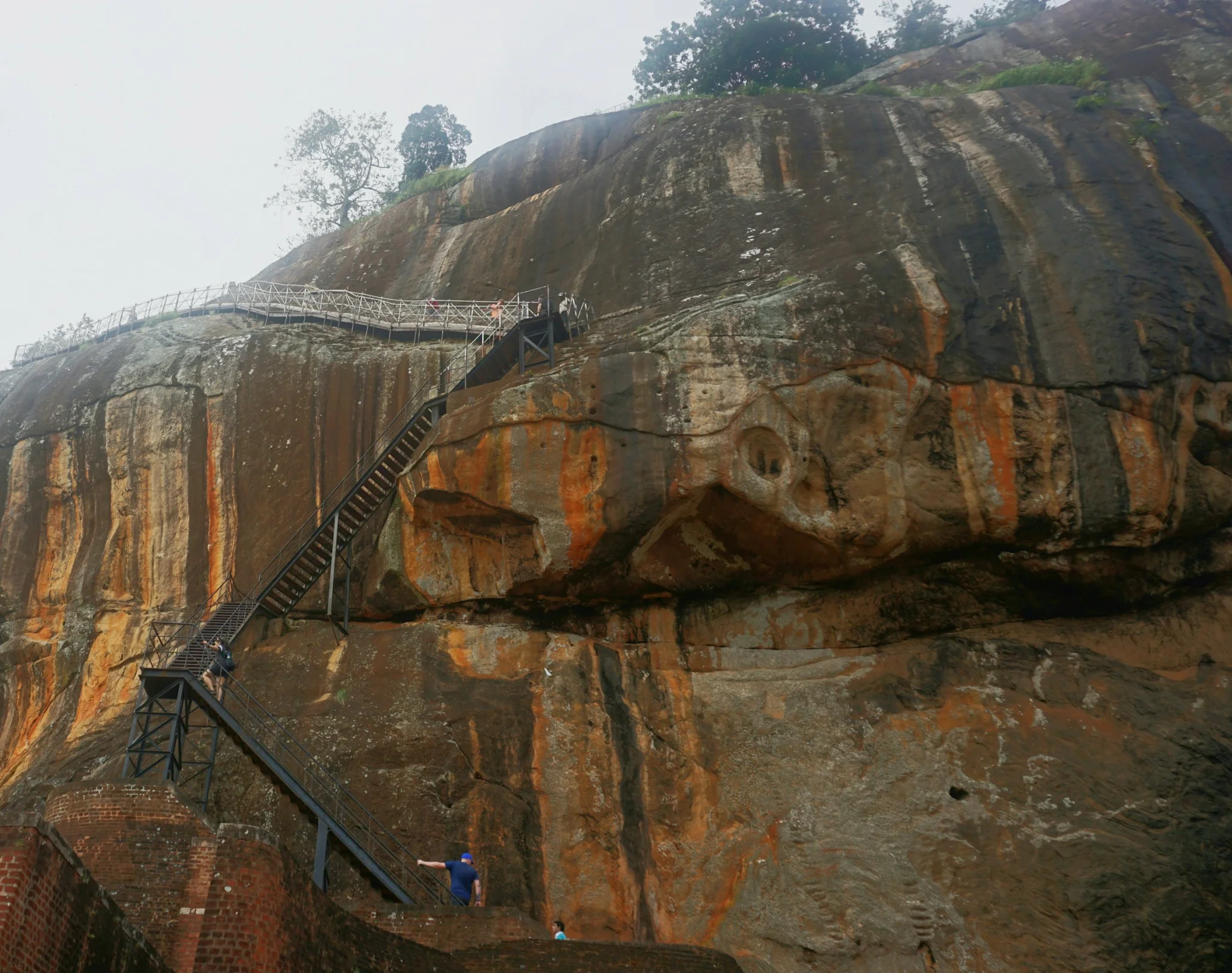
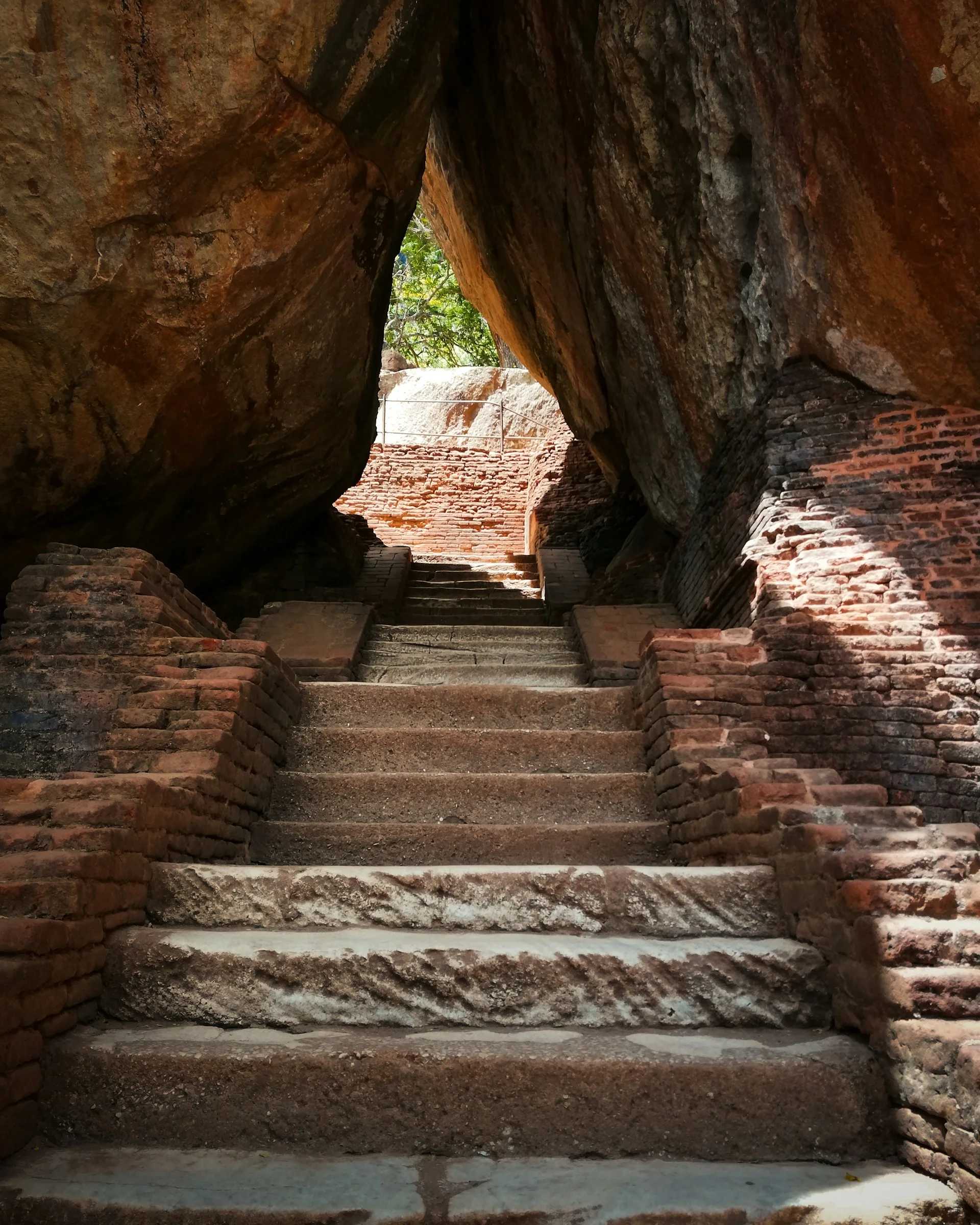
The Lion Gate and Ascent: To reach the summit palace, visitors must ascend a staggering 1,200 steps. About halfway up, on a small plateau, stands the iconic Lion Gate. Originally, visitors would enter the final ascent through the open mouth of an enormous brick-built lion. Today, only the colossal, monumental stone paws remain, still fiercely guarding the narrow metal staircase that clings to the rock face.
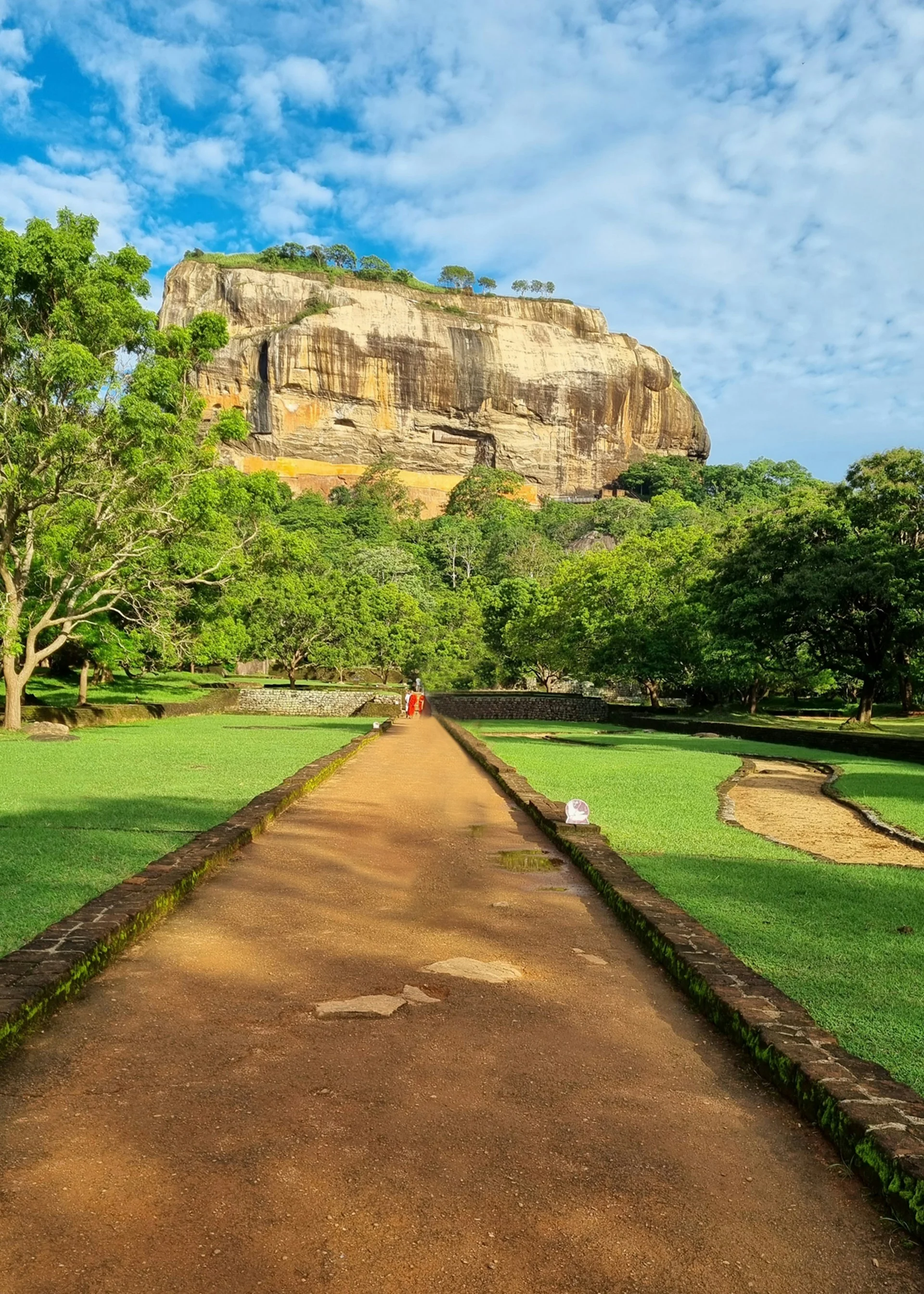
Advanced Water Gardens: At the base of the rock lies one of the oldest and most sophisticated landscaped gardens in the world. The western water gardens feature a perfectly symmetrical layout of reflecting pools, pavilions, and moats. The ancient Sri Lankans utilized a brilliant understanding of hydraulic engineering and gravity to create a network of underground terracotta pipes that fed these pools; astonishingly, some of the miniature water fountains still bubble to life during heavy monsoon rains.
The Frescoes and Mirror Wall: Halfway up the rock face, sheltered beneath a slight overhang, are the world-famous Sigiriya Frescoes. These vibrant, 5th-century paintings depict elegantly adorned "Sigiriya Damsels" (believed to be celestial nymphs or the King's concubines). Just beyond the frescoes is the Mirror Wall. Originally coated in a highly polished white plaster so reflective that the king could see himself, the wall is now famous for its ancient graffiti verses scratched by visitors from the 8th to 13th centuries expressing their awe of the rock and the painted ladies.
Entry Fees
Opening Hours
6:30 AM – 5:30 PM (Ticket office closes at 5:00 PM)
Best Time to Visit
January to April (Dry season). Climb early morning (7:00 AM) or late afternoon (3:30 PM) to avoid heat.
Address
Sigiriya, Sri Lanka
Turn your travel dreams into reality. Let our local specialists craft an exclusive itinerary tailored to your rhythm, from mist-shrouded peaks to sun-kissed shores.
Build Your ItineraryExplore Destination
Planning a trip to Sigiriya? Discover the top-rated hotels, must-do activities, and expert local guides available in this beautiful region.